Free Consultation
Call (210) 600-0000 Today!
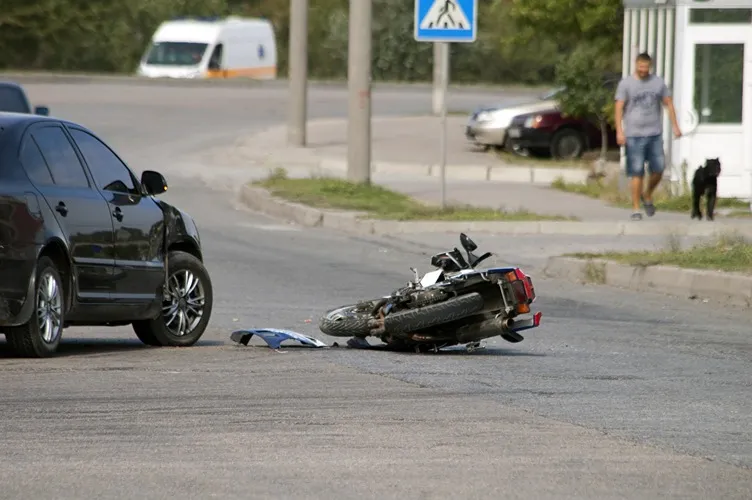 Being involved in a motorcycle accident in Texas can be overwhelming, especially when it comes to figuring out who is responsible. Liability means who is legally responsible for the accident and the resulting damages.
For instance, if a car driver doesn’t notice a motorcyclist and runs a red light, causing a crash, that driver might be responsible for the accident. Determining liability is important because it decides who will pay for medical bills, lost income, and other costs from the accident.
At Marco Bass Injury and Accident Lawyers, we focus on helping people who have been in motorcycle accidents understand liability and get the compensation they deserve. As your dedicated San Antonio motorcycle accident lawyer, our skilled attorneys are committed to making sure you receive fair payment for your injuries and damages. Don’t go through this difficult process alone.
Reach out to us today at 210-600-0000 for a free consultation, and let us guide you through your legal options.
Determining liability in a motorcycle accident involves understanding several legal aspects. In Texas, these cases focus on identifying fault and exploring compensation options, which are dictated by state laws. To prove negligence in a motorcycle accident case, you need to show certain key points. These points are important for figuring out who is responsible and for getting compensation for the damages. The main things you need to prove negligence include:
By providing these elements, motorcycle accident victims can strengthen their claim and work towards getting the compensation they deserve for their injuries and losses.
Negligence can appear in different forms, such as breaking traffic laws or acting recklessly. For example, a driver who runs a red light or doesn’t yield to a motorcyclist may be seen as negligent. Recognizing how these specific actions lead to negligence helps clarify who is liable in motorcycle accidents.
Additionally, the actions of other drivers are important in determining fault. It’s not just about the motorcyclist’s actions but also how others on the road contributed to the accident. This interaction of factors helps identify who the liable parties are and who should be held accountable in personal injury lawsuits.
By carefully looking at these elements, we can better understand how to determine fault and establish liability in a motorcycle accident case. This understanding is vital for filing a personal injury claim and seeking fair compensation for the damages and injuries suffered.
In Texas motorcycle accident cases, wearing protective gear like helmets can influence how liability and compensation are determined. While not wearing a helmet doesn’t directly affect who is at fault for the accident, it can impact the evaluation of damages. Texas law requires riders under 21 to wear helmets, but those over 21 can opt out if they have health insurance or have completed a motorcycle safety course.
If a rider without a helmet experiences head injuries, the other party might argue that the injuries were worse because they weren’t wearing protective gear. This could potentially reduce the compensation under Texas’s comparative negligence rule. Therefore, wearing a helmet and protective gear is important for safety and can affect the legal process and the compensation an accident victim might receive. Understanding these details is critical for anyone involved in a motorcycle accident to effectively handle claims.
 In motorcycle accident cases, gathering evidence is necessary for proving who is at fault and establishing liability. The quality and thoroughness of the evidence can greatly influence the outcome of a personal injury claim, affecting the chances of receiving fair compensation. After an accident, it’s essential to collect and preserve various types of evidence to support claims of negligence and help the injured party seek damages.
Here’s a list of important types of evidence that are key to establishing liability in motorcycle accident cases:
By collecting a wide range of evidence, people involved in motorcycle accidents can strengthen their case. This helps clearly show who was careless and who should be held responsible. Taking this detailed approach is important for filing a claim and working towards getting the most compensation possible for the injuries and damages suffered.
Texas uses a modified comparative negligence rule to determine how much compensation a victim can receive in a motorcycle accident. This rule is important because it can significantly affect the outcome of compensation claims. According to Texas law, you can only recover damages if you are 50% or less at fault for the accident.
If you are found to be more than 50% at fault, you cannot receive any damages. The compensation you receive will be reduced by your percentage of fault. So, if both parties share the blame, the damages awarded will be adjusted based on each party’s level of responsibility. This system allows victims who are partially at fault to still receive compensation, but it will be reduced according to their share of the blame. Motorcycle accident victims need to understand how comparative negligence works in Texas to effectively navigate personal injury law and seek fair compensation.
Insurance coverage is crucial in motorcycle accident cases in Texas. Motorcyclists are required by law to have minimum liability insurance, which helps cover damages caused to others in an accident. This insurance must include at least $30,000 for bodily injury per person and $25,000 for property damage. Having adequate insurance is essential for establishing liability and ensuring that victims can seek compensation for their losses.
After a motorcycle accident, it’s important to report the incident to your insurance company to start the claims process. This involves gathering and submitting necessary documentation, such as police reports, medical records, and witness statements, to support your compensation request. A personal injury attorney can assist in negotiating settlements or filing lawsuits on behalf of victims, helping them receive fair compensation for their injuries and damages.
 When you find that your insurance policy limits are insufficient to cover all the damages from a motorcycle accident, it’s important to explore other avenues to seek compensation. Here are some steps you can take:
By taking these steps, motorcycle accident victims can better navigate the complexities of insurance claims and work towards receiving the full compensation they deserve for their injuries and damages.
When you’re involved in a motorcycle accident in Texas, it’s important to know what compensation you might be eligible for. You could receive money to cover medical bills for treatments and rehabilitation, which are often needed due to the serious injuries from such accidents. If your injuries prevent you from working, you can also seek compensation for lost wages and any future loss of earning capacity if the injuries affect your ability to work long-term.
You may also be entitled to compensation for pain and suffering, which includes the physical pain and emotional distress caused by the accident. Additionally, you can claim for property damage, covering the cost of repairing or replacing your motorcycle and any personal belongings damaged in the accident. In some situations, if the person at fault acted recklessly or negligently, you might receive punitive damages as well.
Working with a knowledgeable attorney can simplify the process of seeking compensation, ensuring you receive a fair settlement that covers all your losses. Knowing your rights and the types of compensation available is key to effectively pursuing a claim and achieving the best possible recovery.
Motorcycle accidents in Texas can happen for a variety of reasons, each adding to the challenge of figuring out who is responsible. Here are some of the most common causes:
Understanding these causes is crucial for motorcycle accident victims as it helps pinpoint who is at fault and establishes who is responsible in a personal injury case. This knowledge is vital for ensuring that victims can pursue compensation for their injuries and damages effectively.
At Marco Bass Injury and Accident Lawyers, we focus on helping people involved in motorcycle accidents. Our approach is centered around our clients, ensuring that you feel supported and informed throughout the process. We understand the difficulties that motorcycle accident victims face and are committed to helping you get the most compensation for your injuries, lost wages, and other damages. Our skilled attorneys work hard to protect your legal rights every step of the way.
We believe in clear communication and keeping you updated about your case. Our team is not only knowledgeable about personal injury law but also compassionate and understanding of your situation. We aim to build strong relationships with our clients, allowing us to tailor our approach to fit your specific needs.
Our firm operates on a contingency fee basis, which allows you to seek justice without worrying about upfront expenses. Let us be your advocate, guiding you confidently through the legal process and ensuring your rights are protected.
Contact Marco Bass Injury and Accident Lawyers, your trusted San Antonio motorcycle accident lawyer, today for a free consultation and take the first step towards receiving the compensation you deserve. Call us at 210-600-0000 to discuss your legal options and let us assist you on your path to recovery.

Fields Marked With An “*” Are Required
"*" indicates required fields

Phone: (210) 600-0000
Marco Bass is available 24/7!
© 2026 Marco Bass Injury and Accident Lawyers. All rights reserved.