Free Consultation
Call (210) 600-0000 Today!
 Car accidents happen every day across Texas, and understanding how fault is determined in common collision scenarios can help you protect your rights after a crash. Whether you suffered injuries in a rear-end collision, intersection accident, or multi-vehicle pileup, establishing fault is necessary to recover compensation for your injuries.
At Marco Bass Injury and Accident Lawyers, we help accident victims with fault determinations and pursue maximum compensation from at-fault drivers and their insurance companies. If you’ve been injured in a San Antonio car accident, every detail matters. Call us at (210) 600-0000 or contact us online anytime.
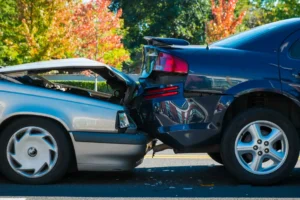 Rear-end accidents are some of the most common crashes on Texas roads. These collisions happen when one vehicle strikes the back of another, typically because the following driver failed to maintain a safe enough distance to stop in time to avoid the collision.
Some common causes of these collisions include:
These are only some causes of rear-end crashes that can lead to the liability of another driver.
Texas law requires drivers to follow at a distance that will allow them to safely stop without colliding with a vehicle in front of them. Because of this law, the rear driver is usually presumed to be at fault for a collision, even if a front vehicle slows down or stops.
However, exceptions exist when the front driver suddenly reverses, brake-checks, cuts another driver off when changing lanes, or has non-functioning brake lights.
Intersections are common locations for crashes, often caused by running red lights or stop signs. Even rolling through stop signs without coming to a complete stop results in collisions with cross traffic.
Failure to yield right of way when turning across oncoming traffic can lead to devastating head-on or T-bone collisions. Misjudging gaps in traffic when turning or entering intersections from side streets causes accidents when drivers underestimate oncoming vehicle speeds or distances.
Traffic signals, stop signs, and right-of-way rules determine fault in most intersection accidents. Drivers who violate these rules are typically at fault, regardless of other circumstances. For example, in left-turn accidents, the turning driver generally has fault for failing to yield to oncoming traffic unless the oncoming driver was speeding excessively or ran a red light. Traffic camera footage, witness testimony, and accident reconstruction analysis help establish which driver violated traffic laws and caused the collision.
Side-impact crashes, also called T-bone or broadside collisions, occur when the front of one vehicle strikes the side of another vehicle. These accidents frequently happen at intersections due to running red lights, but they can also happen in other scenarios. For instance, unsafe lane changes without checking blind spots might result in vehicles spinning out and striking others at a “T” angle.
Fault in side-impact collisions depends on which driver violated traffic laws or failed to exercise reasonable care. The driver who struck the other vehicle’s side is often, but not always, to blame. Sometimes, a driver running a red light gets T-boned by someone proceeding on a green light. Because these crashes are often at intersections, traffic camera footage can be critical to identifying fault.
Head-on crashes mean that the fronts of two vehicles traveling in opposite directions strike each other. These accidents cause catastrophic injuries and fatalities, especially because they often happen at high speeds.
Some common causes of these devastating crashes include:
The driver who crosses into the opposing lane is typically at fault for head-on collisions. If they were driving against oncoming traffic, the law considers them to be negligent, whether it was due to impairment, distraction, or loss of control. In some cases, roadway defects or poor road maintenance may contribute to accidents, creating potential liability for government entities responsible for road upkeep.
Chain-reaction crashes involving three or more vehicles create complicated fault scenarios where multiple drivers may share responsibility for causing or contributing to the collision. Some causes include following too closely in heavy traffic, speeding in congested conditions or poor visibility, and more.
Multi-vehicle accidents often involve comparative fault analysis where each driver’s contribution to the crash is evaluated separately. The initial driver who caused the first collision may have primary liability, but following drivers who were tailgating, distracted, or speeding may also share fault for subsequent impacts.
Texas follows modified comparative negligence laws, allowing for the recovery of damages as long as you are less than 51% at fault, with your compensation reduced by your percentage of fault.
Determining fault in car accidents requires thorough investigation and, often, a detailed review of evidence and applicable traffic laws. At Marco Bass Injury and Accident Lawyers, our car accident attorneys can:
Whether handling rear-end collisions, T-bone crashes, head-on accidents, or multi-vehicle pileups, attorneys understand how different collision types present different fault considerations. They identify violations of traffic laws, evaluate driver negligence, and counter insurance companies’ attempts to shift blame. This comprehensive approach ensures accurate fault determination, protecting clients’ rights and maximizing their compensation for injuries and damages.
If you suffered injuries in any type of car accident, consult Marco Bass Injury and Accident Lawyers. Our experienced car accident attorneys investigate crashes thoroughly, establish fault, and fight to recover maximum compensation for our clients. We handle car accident cases throughout Texas and provide the aggressive representation you need to hold negligent drivers accountable.
Call our office at (210) 600-0000 now for your free consultation, or contact us online anytime. Your recovery and your compensation start with this call.

Fields Marked With An “*” Are Required
"*" indicates required fields
Phone: (210) 600-0000
Marco Bass is available 24/7!
© 2026 Marco Bass Injury and Accident Lawyers. All rights reserved.