Free Consultation
Call (210) 600-0000 Today!
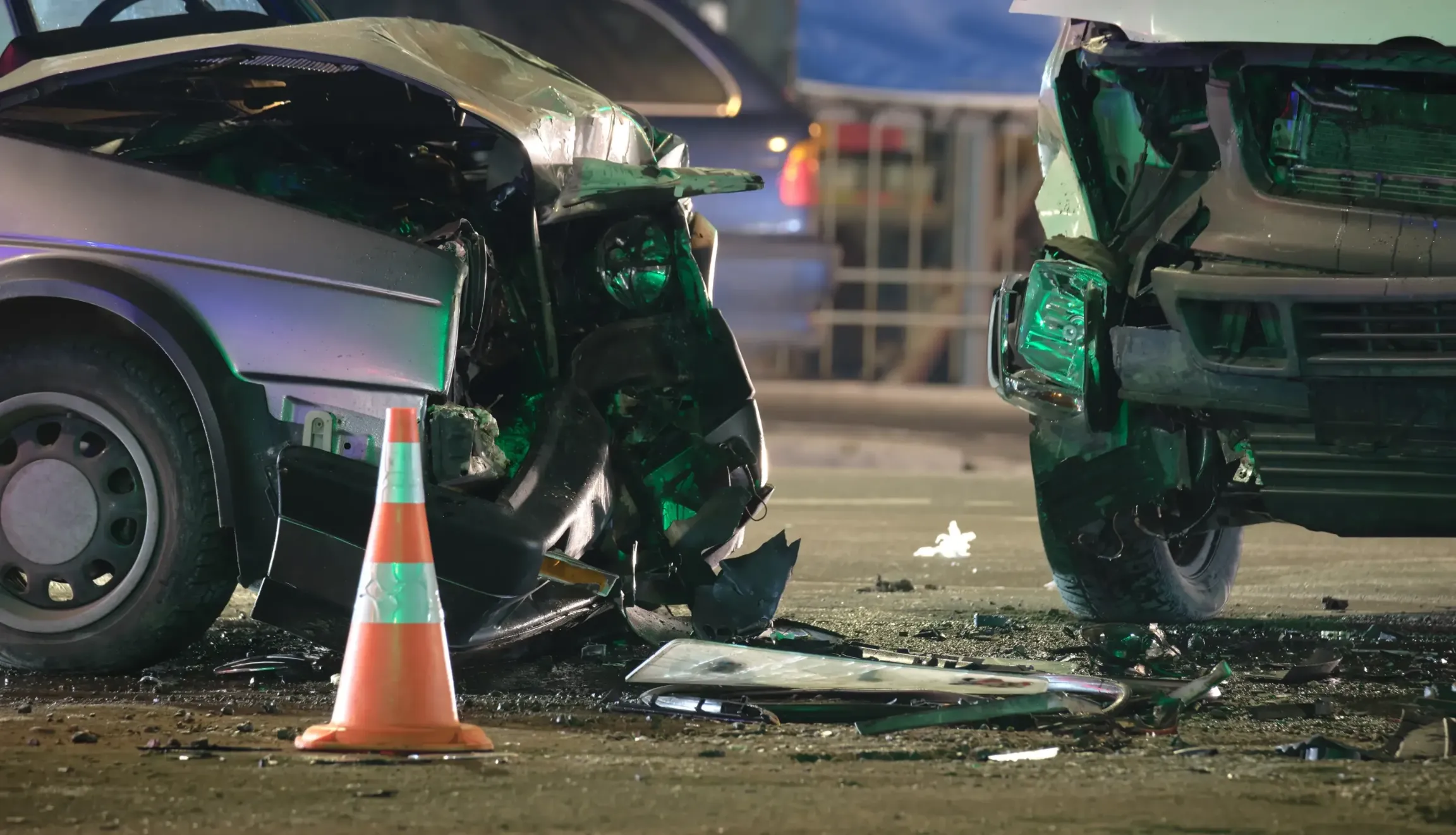
Every day, thousands of drivers are on San Antonio’s busy roads, highways, and intersections. While most trips end safely, car accidents remain an unfortunate reality. Most car accidents occur due to preventable factors such as distracted driving, speeding, unsafe lane changes, and failure to yield, but understanding these risks can help you avoid them.
If you do find yourself involved in an accident caused by another driver’s negligence, knowing your rights and options for seeking compensation becomes essential. Contact a San Antonio car accident attorney at Marco Bass Law Firm for a free consultation today. Simply call (210) 600-0000 or use our online form.
Rear-end collisions rank as the most frequent type of car accident on American roads, and San Antonio is no exception. These crashes occur when one vehicle strikes the back of the vehicle in front of it. While they often happen at relatively low speeds in stop-and-go traffic, rear-end accidents can also occur at highway speeds with devastating consequences.
The primary causes of rear-end collisions include distracted driving, following too closely (tailgating), speeding, sudden stops, and adverse weather conditions that affect braking distance. When drivers text, adjust the radio, or engage in other distracting activities, they may not notice when traffic ahead slows or stops. Similarly, drivers who follow too closely don’t leave themselves adequate time to react when the vehicle ahead brakes suddenly.
Maintain a safe following distance by using the three-second rule: choose a fixed object ahead and ensure at least three seconds pass between when the car in front passes it and when you do. In poor weather or at higher speeds, increase this distance to four or five seconds. Stay alert and minimize distractions by keeping your phone out of reach and limiting activities that take your eyes off the road. Watch brake lights several cars ahead, not just the vehicle directly in front of you, so you can anticipate traffic flow changes. When you need to stop suddenly, tap your brakes to flash your brake lights and alert drivers behind you.
Intersections are another high-risk area for collisions. These accidents include T-bone crashes (side-impact collisions), left-turn accidents, and collisions involving vehicles running red lights or stop signs. The mix of vehicles moving in different directions, combined with driver errors, makes intersections particularly dangerous.
Common causes include running red lights or stop signs, misjudging the speed or distance of oncoming traffic when turning left, failing to yield the right of way, distracted driving that causes drivers to miss traffic signals, and aggressive driving behaviors like racing through yellow lights.
Always come to a complete stop at stop signs and red lights, even when you don’t see other vehicles approaching. Before proceeding through a green light, take a moment to look both ways to ensure no one is running the red light in the cross direction. When turning left, wait for a clear gap in oncoming traffic rather than trying to beat approaching vehicles. Use your turn signals well in advance to communicate your intentions to other drivers. Approach intersections at reasonable speeds that allow you to stop if necessary, and never accelerate through a yellow light when you can safely stop.
Lane change and merging accidents occur when drivers fail to safely navigate when moving from one lane to another or entering traffic flow from an on-ramp. These collisions often result from blind spot issues, failure to check mirrors, inadequate signaling, or misjudging the speed of other vehicles.
These accidents frequently happen on highways and busy multi-lane roads where vehicles travel at higher speeds. Side-swipe collisions are common, though more serious crashes can occur when a driver swerves to avoid a vehicle merging into their lane and loses control or strikes another vehicle.
Check your mirrors and blind spots before changing lanes by physically turning your head to look over your shoulder. Modern vehicles may have blind spot monitoring systems, but these shouldn’t replace visual checks. Signal your intention well before changing lanes to give other drivers time to react. When merging onto a highway, match the speed of traffic before entering the lane rather than merging slowly and forcing other vehicles to brake. Avoid lingering in other drivers’ blind spots, and be particularly cautious around large trucks, which have much larger blind spots than passenger vehicles.
While parking lot accidents typically occur at low speeds, they remain surprisingly common. These include backing out of parking spaces, pulling through parking spots, pedestrian accidents, and collisions at parking lot intersections or stop signs.
The confined spaces, multiple vehicles moving in different directions, pedestrians crossing unexpectedly, and drivers distracted by looking for parking spaces all contribute to these accidents.
Drive slowly and remain alert for pedestrians, shopping carts, and other vehicles. Before backing out of a space, check all mirrors and look over both shoulders for approaching vehicles or pedestrians. If your vehicle has a backup camera, use it, but don’t rely on it exclusively. Park in less crowded areas when possible, even if it means walking farther. When pulling through a parking space, ensure the adjacent space is clear before proceeding through.
Though less common than other types of accidents, head-on collisions are among the most deadly. These crashes occur when the front ends of two vehicles traveling in opposite directions collide. They often happen on two-lane roads, though they can also occur when a driver travels the wrong way on a highway or crosses the center median.
Causes include distracted or impaired driving, falling asleep at the wheel, passing illegally in no-passing zones, and confusion about traffic flow direction.
Stay in your lane and avoid crossing the center line, particularly on curves where visibility is limited. Never pass in no-passing zones marked with solid yellow lines. If you see a vehicle drifting into your lane, slow down, move as far right as safely possible, and sound your horn. On two-lane roads, maintain a position toward the right side of your lane to maximize distance from oncoming traffic. Never drive under the influence of alcohol or drugs, and avoid driving when overly tired.
Understanding how common accidents occur and taking preventive measures can significantly reduce your crash risk. However, when another driver’s negligence causes you harm, you deserve compensation for your medical expenses, lost wages, property damage, and pain and suffering.
At Marco Bass Law Firm, we help San Antonio car accident victims with the insurance claims process and pursue the compensation they deserve. If you’ve been injured in a car accident that wasn’t your fault, contact our firm at (210) 600-0000 for a free consultation.

Fields Marked With An “*” Are Required
"*" indicates required fields
Phone: (210) 600-0000
Marco Bass is available 24/7!
© 2026 Marco Bass Injury and Accident Lawyers. All rights reserved.